I. What Is a Nickel Alloy Seamless Pipe?
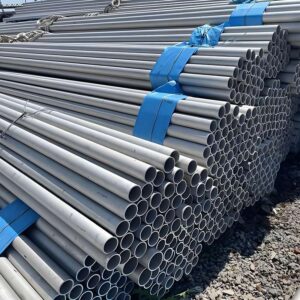
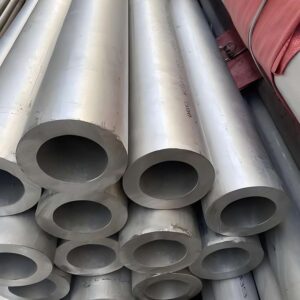
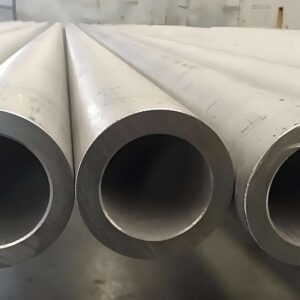
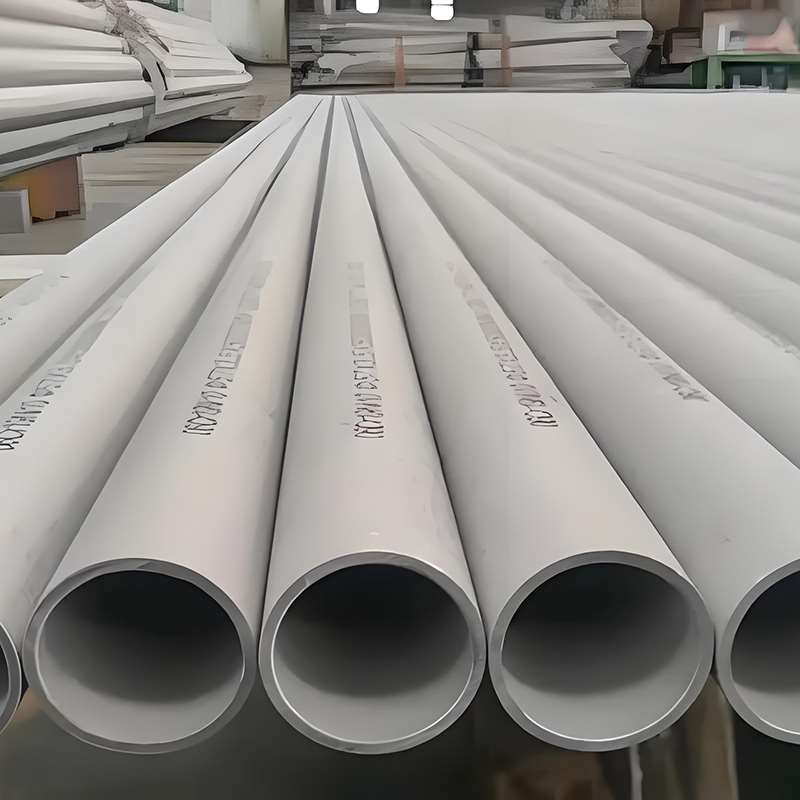
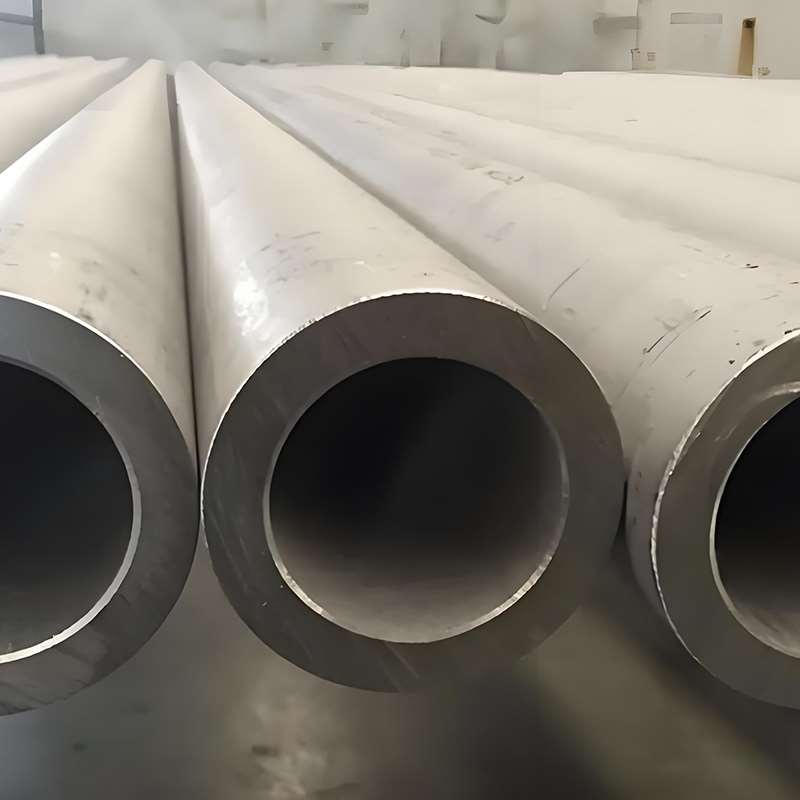
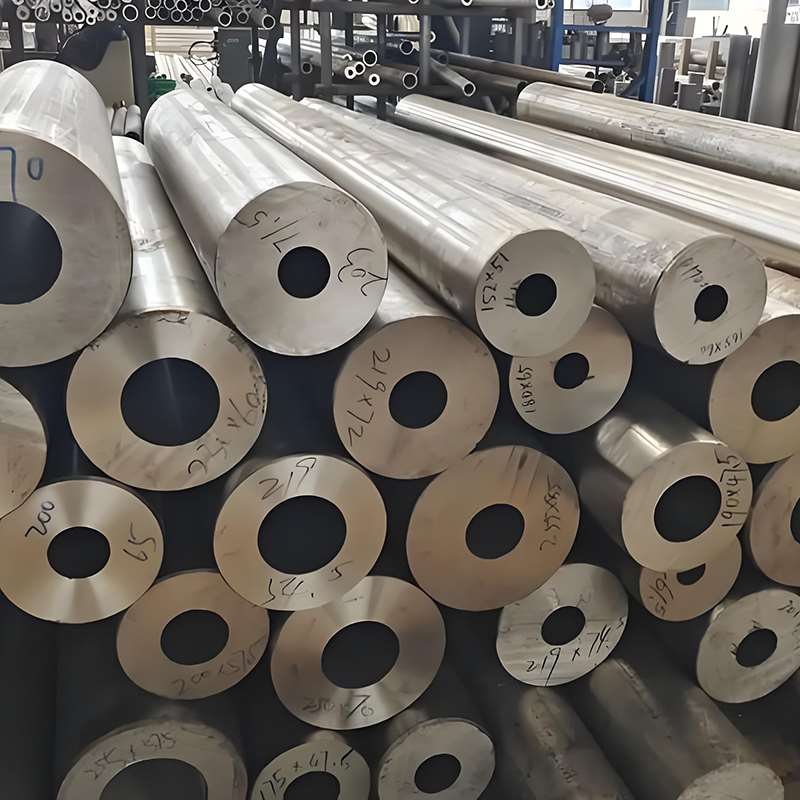
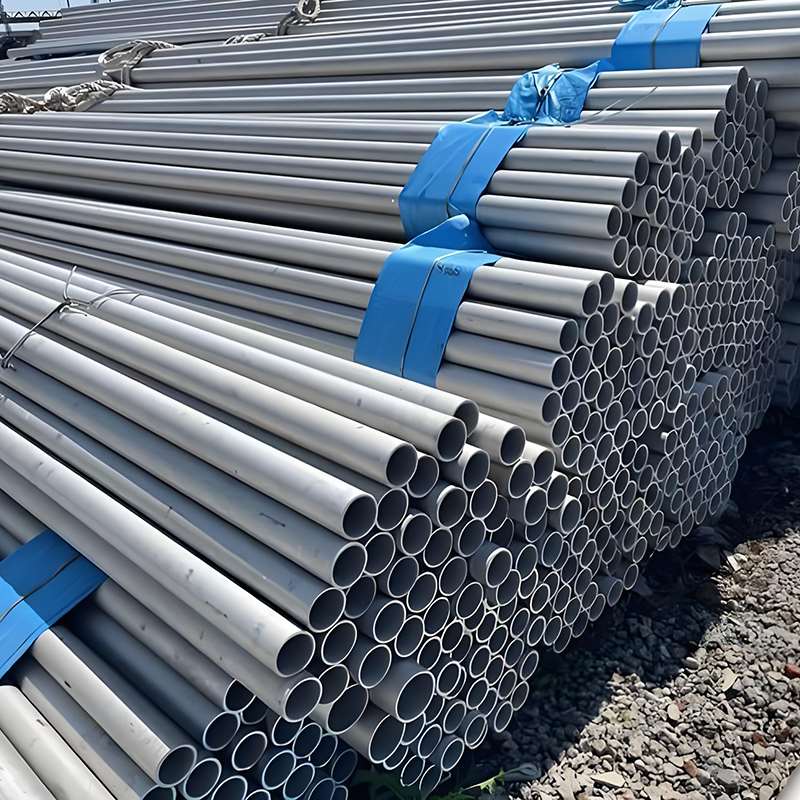
Nickel alloy seamless pipes are high-performance pipes manufactured using a seamless production process, with nickel and nickel-based alloys as the primary materials.
Compared to ordinary carbon steel or some stainless steel pipes, nickel-based alloys can maintain good strength, corrosion resistance, and long-term stability in high-temperature, high-pressure, and highly corrosive environments.
Nickel Alloy Seamless Pipe is a nickel-based alloy pipe without a longitudinal weld. Depending on the alloy grade, specifications, and technical requirements, it can be manufactured using processes such as hot working, cold drawing, or cold rolling, and undergoes appropriate heat treatment and surface treatment to achieve the desired mechanical properties and surface quality.
II. Why Choose Nickel Alloys Over Ordinary Stainless Steel?
Although ordinary stainless steels such as 304 and 316 are widely used in everyday industrial applications, they are prone to pitting corrosion, crevice corrosion, and stress corrosion cracking when exposed to strong acids, strong alkalis, extremely high temperatures, or environments with high concentrations of chloride ions.
By incorporating high proportions of alloying elements such as nickel (Ni), chromium (Cr), and molybdenum (Mo), nickel alloys enhance the material’s stability at the microstructural level:
- Corrosion Resistance: These alloys exhibit excellent resistance to both strongly reducing media (such as hydrochloric acid, sulfuric acid, and hydrofluoric acid) and strongly oxidizing environments, addressing the common issue of ordinary stainless steel failing in harsh media.
- Resistance to pitting and crevice corrosion: The combination of high molybdenum and high chromium content significantly improves the material’s chloride pitting resistance index.
- Oxidation resistance and high-temperature performance: At high temperatures ranging from 600°C to over 1100°C, the material maintains good resistance to scale peeling and microstructural stability, and is not prone to high-temperature creep.
- Mechanical Strength and Toughness: It maintains high tensile strength and good impact toughness even under cryogenic temperatures or extreme high pressures.
III. Common Grades of Seamless Nickel-Based Alloy Tubes
| Grade | Alloy Series / Type | Main Characteristics | Common Applications |
|---|---|---|---|
| Alloy 200 | Pure Nickel Alloy | Good corrosion resistance and excellent resistance to caustic alkalis | Chemical processing, food processing, electronics |
| Alloy 201 | Low-Carbon Pure Nickel | More suitable than Alloy 200 for higher-temperature environments | Chemical processing, electronics, heat treatment |
| Alloy 400 | Nickel-Copper Alloy | Excellent resistance to seawater and chloride corrosion | Marine engineering, chemical processing, oil & gas |
| Alloy 600 | Nickel-Chromium Alloy | Excellent high-temperature strength, oxidation resistance, and corrosion resistance | Chemical processing, heat treatment, nuclear industry |
| Alloy 625 | Nickel-Chromium-Molybdenum Alloy | High strength and excellent resistance to pitting and crevice corrosion | Marine engineering, chemical processing, aerospace |
| Alloy 800 | Nickel-Iron-Chromium Alloy | Good high-temperature strength and oxidation resistance | Petrochemical industry, heat exchangers, industrial furnaces |
| Alloy 800H | Nickel-Iron-Chromium Alloy | Improved resistance to high-temperature creep and stress rupture | High-temperature process equipment, petrochemical industry |
| Alloy 800HT | Nickel-Iron-Chromium Alloy | Better suited for long-term service at high temperatures | High-temperature furnaces, petrochemical industry, heat treatment |
| Alloy 825 | Nickel-Iron-Chromium-Molybdenum Alloy | Excellent resistance to acids and stress corrosion cracking | Chemical processing, sour oil & gas, nuclear industry |
| Alloy 718 | Nickel-Chromium-Iron Precipitation-Hardening Alloy | High strength and excellent high-temperature performance | Aerospace, energy, gas turbines |
| Alloy 200/201 | Nickel | Excellent resistance to caustic alkalis and reducing media | Chemical processing, caustic solution equipment |
IV. Common Standards for Nickel-Based Alloy Seamless Pipes
| Standard | Product / Material Covered | Main Applications |
|---|---|---|
| ASTM B161 | Nickel Seamless Pipe and Tube | Chemical processing, caustic service, food processing, and electronic applications |
| ASTM B163 | Nickel and Nickel Alloy Seamless Tubes for Condensers and Heat Exchangers | Condensers, heat exchangers, and heat-transfer equipment |
| ASTM B165 | Nickel-Copper Alloy (Monel) Seamless Pipe and Tube | Marine engineering, chemical processing, seawater service, and corrosion-resistant applications |
| ASTM B167 | Nickel-Chromium-Iron Alloys (Inconel) Seamless Pipe and Tube | Chemical processing, power generation, heat-resistant equipment, and high-temperature applications |
| ASTM B407 | Nickel-Iron-Chromium Alloy Seamless Pipe and Tube | Heat exchangers, chemical processing, power generation, and high-temperature service |
| ASTM B423 | Nickel-Iron-Chromium-Molybdenum Alloy Seamless Pipe and Tube | Chemical processing, corrosion-resistant equipment, and high-temperature applications |
| ASTM B444 | Nickel-Chromium-Molybdenum-Columbium (Niobium) Alloy Seamless Pipe and Tube | Chemical processing, petrochemical equipment, and highly corrosive environments |
| ASTM B622 | Nickel and Nickel Alloy Seamless Pipe and Tube | Chemical processing, corrosion-resistant applications, and high-temperature service |
| ASTM B729 | Nickel Alloy Seamless Pipe and Tube | Chemical processing, heat exchangers, power generation, and other demanding industrial applications |
V. Main Chemical Composition and Mechanical Properties of Nickel-Based Alloy Seamless Pipes
Mechanical Properties of Nickel Alloy Seamless Pipes
| Grade | Main Chemical Elements | Tensile Strength (MPa) | Yield Strength (MPa) | Elongation (%) |
|---|---|---|---|---|
| Inconel 600 | Ni, Cr, Fe | ≥550 | ≥240 | ≥30 |
| Inconel 625 | Ni, Cr, Mo, Nb, Fe | ≥760 | ≥345 | ≥30 |
| Inconel 718 | Ni, Cr, Fe, Nb, Mo, Ti, Al | ≥1240 | ≥1030 | ≥12 |
| Hastelloy B-2 | Ni, Mo, Fe, Cr, Co | ≥760 | ≥350 | ≥40 |
| Hastelloy C-276 | Ni, Mo, Cr, Fe, W, Co | ≥690 | ≥283 | ≥40 |
| Incoloy 800 | Ni, Fe, Cr, Al, Ti | ≥500 | ≥205 | ≥30 |
| Incoloy 825 | Ni, Fe, Cr, Mo, Cu, Ti | ≥586 | ≥241 | ≥30 |
| Monel 400 | Ni, Cu, Fe, Mn | ≥550 | ≥240 | ≥35 |
| Monel K-500 | Ni, Cu, Al, Ti, Fe | ≥960 | ≥655 | ≥15 |
Note: Chemical composition and mechanical properties vary by alloy grade, product standard, heat treatment condition, and product size. The values above are typical reference values; actual requirements shall comply with the applicable ASTM/ASME specification.
VI. Manufacturing Process of Nickel Alloy Seamless Pipes
Raw Material Inspection → Billet Heating → Piercing → Hot Rolling / Hot Extrusion → Cold Drawing / Cold Rolling → Heat Treatment → Straightening → Pickling / Surface Treatment → Cut-to-Length → Non-Destructive Testing → Dimensional Inspection → Finished Product Packaging
VII. Heat Treatment
Heat treatment is an important stage in the manufacturing process of nickel alloy seamless pipes. It can improve the material’s microstructure, mechanical properties, and corrosion resistance, while reducing residual stresses generated during processing.
Common heat treatment methods include:
- Annealing: Improves ductility and toughness while reducing processing stresses.
- Solution Annealing: Optimizes the alloy microstructure and maintains good corrosion resistance.
- Stress Relieving: Reduces residual stresses generated during cold working and improves dimensional stability.
- Stabilizing Treatment: Improves the microstructural stability of certain nickel alloys during long-term service at elevated temperatures.
As the requirements vary among different nickel alloy grades, heat treatment should be determined based on the Grade + Heat Treatment + Applicable Standard and carried out in accordance with the relevant ASTM, ASME, and other applicable standards.