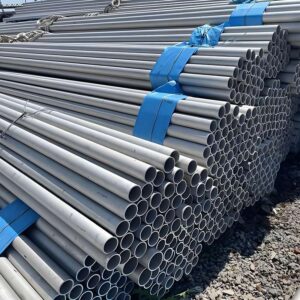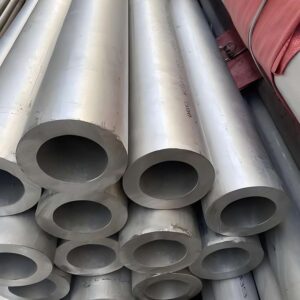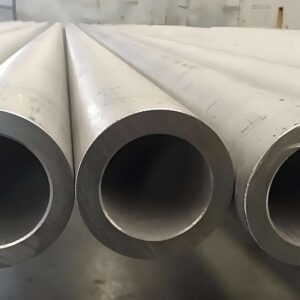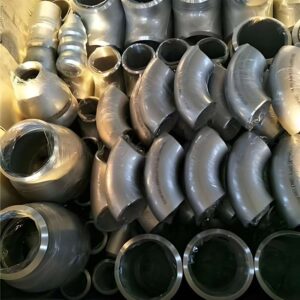
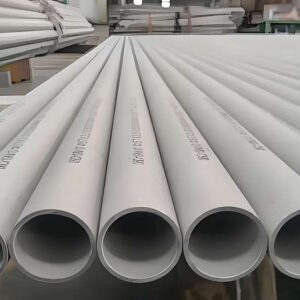
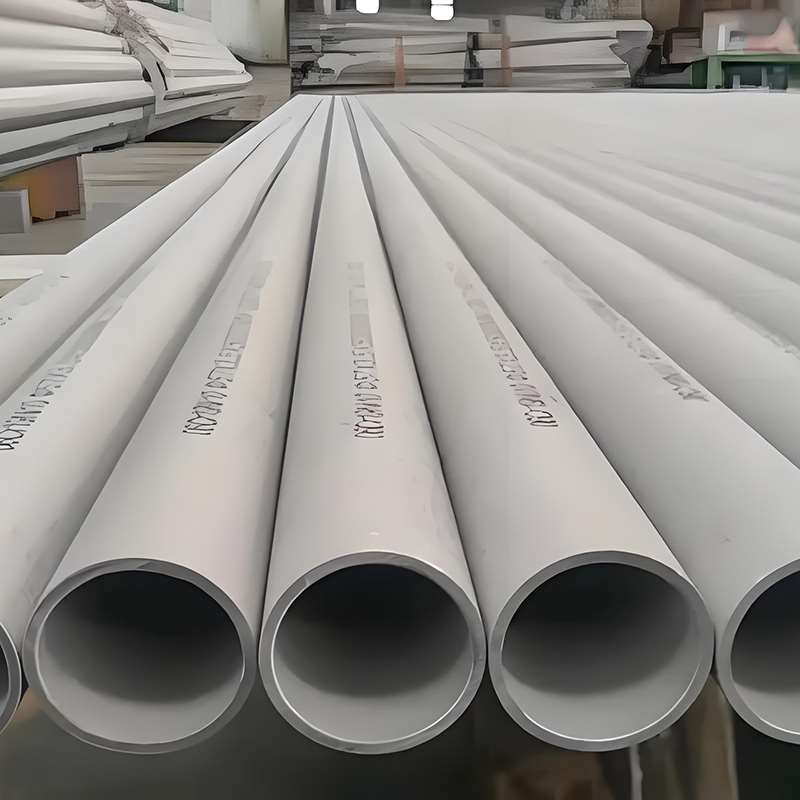
Due to their excellent corrosion resistance, high-temperature resistance, and high strength, nickel-based alloy seamless tubes are widely used in extreme operating environments such as the chemical, oil and gas, nuclear power, aerospace, and marine engineering industries. Understanding their common grades and manufacturing standards is a crucial foundation for material selection in engineering and equipment procurement.
I. Classification of Common Nickel-Based Alloy Seamless Tube Grades
Nickel-based alloys are typically classified according to their primary alloying elements (such as copper, chromium, molybdenum, and iron). The performance characteristics and application scenarios corresponding to different series are as follows:
| Alloy Series | Common Grades (UNS No. / Common Name) | Key Performance Characteristics | Major Applications |
|---|---|---|---|
| Commercially Pure Nickel | UNS N02200 (Nickel 200)UNS N02201 (Nickel 201) | Excellent resistance to caustic alkalis, with good electrical and thermal conductivity. | Caustic soda production, salt-processing equipment, and organic chemical synthesis. |
| Nickel-Copper Alloys (Monel) | UNS N04400 (Monel 400)UNS N05500 (Monel K500) | Excellent resistance to seawater corrosion, hydrofluoric acid, and reducing acids. | Marine engineering, marine shafts and pumps, and sour oil and gas wells. |
| Nickel-Chromium-Iron Alloys (Inconel) | UNS N06600 (Inconel 600)UNS N06625 (Inconel 625) | Excellent high-temperature oxidation resistance, high strength, and strong resistance to corrosion fatigue. | Aircraft engines, nuclear reactors, and high-pressure steam piping. |
| Nickel-Iron-Chromium Alloys (Incoloy) | UNS N08800 (Incoloy 800)UNS N08825 (Incoloy 825) | Good resistance to carburization and oxidation, with excellent resistance to sulfuric and phosphoric acids. | Petrochemical cracking furnaces, heat-treatment equipment, and flue gas desulfurization systems. |
| Nickel-Molybdenum / Nickel-Chromium-Molybdenum Alloys (Hastelloy) | UNS N10276 (Hastelloy C-276)UNS N06022 (Hastelloy C-22)UNS N10665 (Hastelloy B-2) | Exceptional resistance to highly corrosive acids, including hydrochloric acid, nitric acid, and mixed acids, with excellent resistance to pitting and crevice corrosion. | Highly corrosive chemical reactors, industrial waste-gas treatment, and flue gas purification systems. |
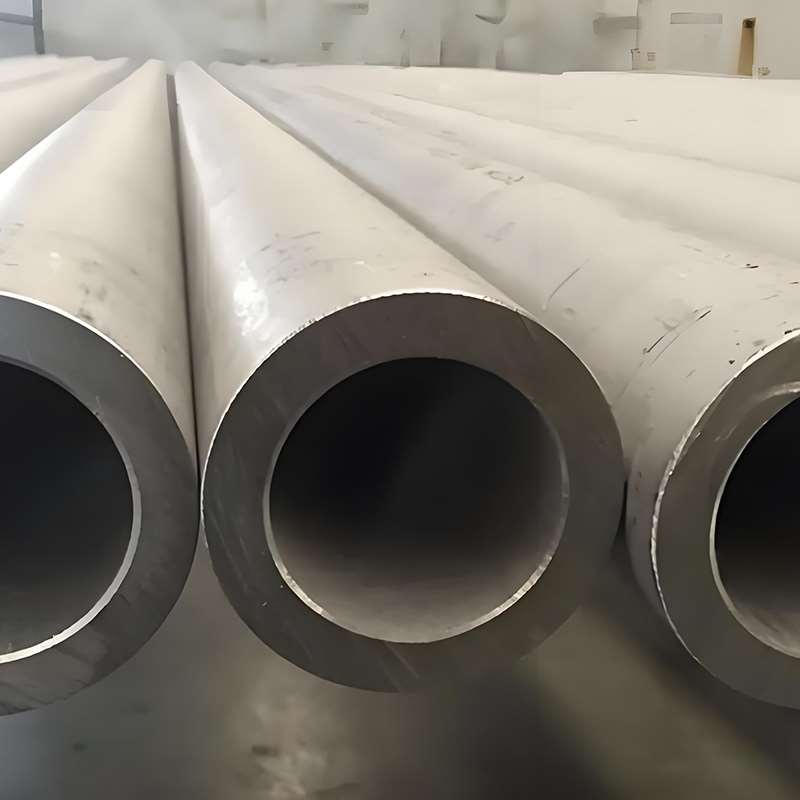
II. Leading International Production and Implementation Standards
For seamless nickel-based alloy tubes, the globally accepted standard system is primarily based on ASTM (American Society for Testing and Materials) and ASME (American Society of Mechanical Engineers), with different standards corresponding to different alloy series:
1. ASTM/ASME Standards System
- ASTM B161 / ASME SB161: Standard for seamless pipes and tubes of pure nickel (Nickel 200/201).
- ASTM B165 / ASME SB165: Standard for seamless pipes and tubes of Monel alloy (Monel 400).
- ASTM B167 / ASME SB167: Standards for seamless pipes made of nickel-chromium-iron alloys such as Inconel 600, 625, and 690.
- ASTM B407 / ASME SB407: Standards for seamless pipes in the Incoloy 800, 800H, and 800HT series.
- ASTM B622 / ASME SB622: Standards for seamless pipes made of Hastelloy (Hastelloy B/C/G series).
- ASTM B423 / ASME SB423: Standards for seamless pipes made of Incoloy 825 nickel-iron-chromium-molybdenum-copper alloy.
2. Other International Standards
- EN Standards (European Standards): Commonly used EN 10216-5 (standard for corrosion-resistant seamless steel pipes) or relevant DIN/EN proprietary grade specifications.
- ISO Standards: ISO 6207 (seamless pipes of pure nickel and nickel alloys).
- GB/T Standards (Chinese National Standards): Such as GB/T 15008 “Corrosion-Resistant Alloy Bars and Tubes” and GB/T 28828, among others.
III. Key Recommendations for Selection and Procurement
- Matching the Medium and Temperature: For strongly reducing acidic environments (such as hydrochloric acid), give priority to the Hastelloy B series; for environments containing chloride ions or high-temperature oxidation, select Hastelloy C-276 or Inconel 625; for highly alkaline environments, select Nickel 200/201.
- Note the Difference Between ASME and ASTM: If used for pressure vessels or pressurized piping, verify compliance with ASME SB specifications (such as those approved by the ASME Boiler and Pressure Vessel Code).
- Inspection and Delivery Condition: Specify the delivery condition of the tubing (e.g., annealed or solution-treated) and perform non-destructive testing (ultrasonic testing or hydrostatic testing) in accordance with standard requirements.