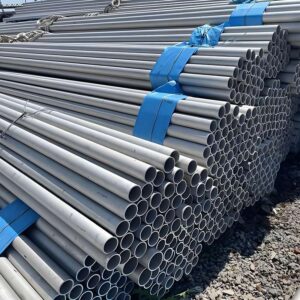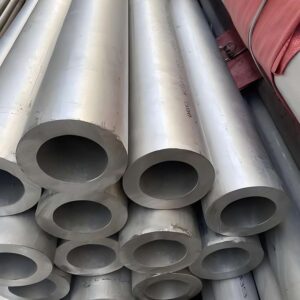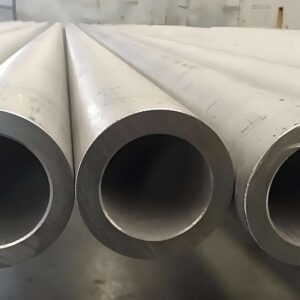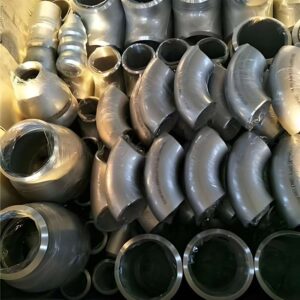
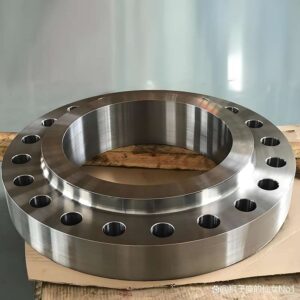
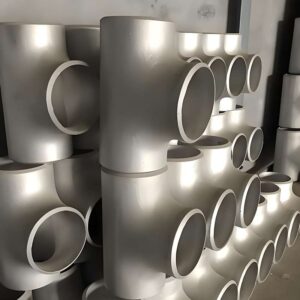
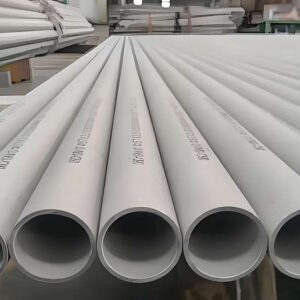
In extreme industrial environments (where high temperatures, high pressure, and highly corrosive media coexist), traditional carbon steel and standard stainless steel pipes often reach their service limits. For critical infrastructure in the oil, natural gas, and chemical processing industries, seamless nickel-based alloy steel pipes offer a solution to prevent catastrophic equipment failure, reduce downtime and maintenance costs, and ensure the long-term safe operation of structures.
I. Why Choose Seamless Nickel-Based Alloy Steel Pipes?
Nickel-based alloy pipes combine metallurgical stability with unmatched corrosion resistance. The seamless manufacturing process eliminates mechanical weaknesses at weld seams, giving the pipes isotropic structural strength that can withstand high pressure differentials and severe mechanical stresses.
II. Key Performance Advantages
- Corrosion Resistance: Exhibits high resistance to pitting corrosion, crevice corrosion, intergranular corrosion, and chloride-induced stress corrosion cracking.
- High-Temperature Mechanical Strength: Maintains extremely high yield and tensile strengths even in high-temperature operating environments (up to 1,000°C or higher, depending on the specific grade).
- Good Thermal Stability and Environmental Adaptability: Maintains excellent toughness and ductility even under low-temperature or cryogenic conditions, effectively withstanding severe thermal shock.
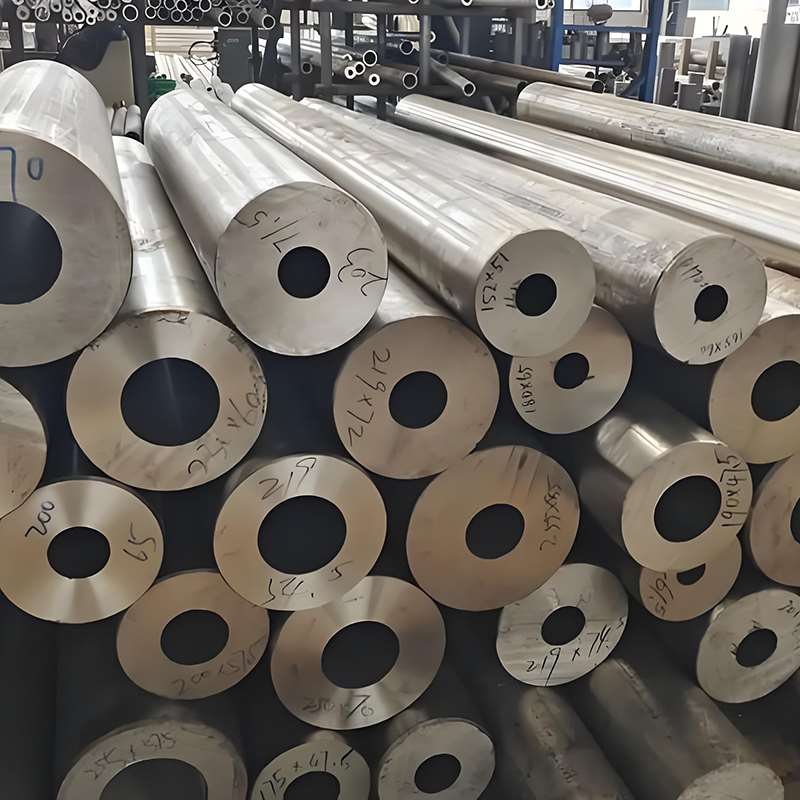
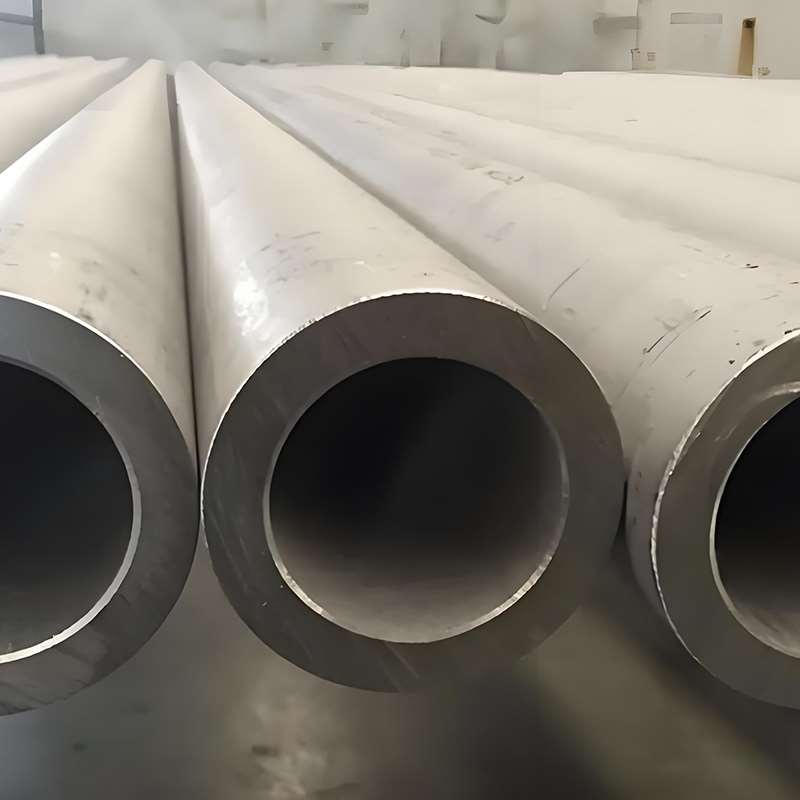
III. Selection Guide: Comparison of Common Material Grades and Properties
| Alloy Grade | Major Alloying Elements | Key Performance Characteristics | Typical Applications |
|---|---|---|---|
| Inconel 625 (UNS N06625) | Ni-Cr-Mo-Nb | Excellent resistance to pitting and crevice corrosion, with outstanding fatigue resistance and high-temperature stress performance. | Deepwater pipelines, sour gas wells, and offshore chemical transport systems. |
| Incoloy 825 (UNS N08825) | Ni-Fe-Cr-Mo-Cu | Excellent resistance to sulfuric and phosphoric acids, with strong resistance to chloride-induced stress corrosion cracking. | Sour oil and gas processing, pickling lines, and chemical processing equipment. |
| Monel 400 (UNS N04400) | Ni-Cu | Exceptional resistance to hydrofluoric acid, seawater, and strong alkaline environments. | Seawater piping systems, offshore drilling platforms, and HF alkylation units. |
| Hastelloy C-276 (UNS N10276) | Ni-Mo-Cr-W | Outstanding resistance to highly oxidizing media, wet chlorine gas, and ferric and cupric chlorides. | Chemical reactors, flue gas desulfurization (FGD) systems, and environmental treatment equipment. |
| Inconel 718 (UNS N07718) | Ni-Cr-Fe-Nb-Mo | A precipitation-hardened alloy offering exceptionally high strength, excellent weldability, and good corrosion resistance. | High-pressure downhole tools, gas turbine components, and specialized valves. |
IV. Key Application Areas
1. Upstream and Downstream Oil and Gas Industries
- Acid Gas Production: High concentrations of hydrogen sulfide and carbon dioxide (CO₂) can cause severe sulfide stress cracking in ordinary pipes. Incoloy 825 and Inconel 625 seamless pipes provide a reliable corrosion-resistant barrier for downhole casing and gathering and transmission pipelines.
- Deep-Sea and Subsea Engineering: Subsea umbilical cables and risers must withstand extremely high water pressure and highly corrosive marine environments; seamless nickel-based alloy pipes are indispensable core materials.
2. Chemical and Petrochemical Processing
- Strong Acid Processing: In processes involving sulfuric acid, hydrochloric acid, or hydrofluoric acid, materials must be fully resistant to both uniform and localized corrosion. Hastelloy C-276 and Monel 400 maintain an exceptionally long service life during continuous operation in strong acid environments.
- High-Temperature Reactors and Heat Exchangers: High nickel content effectively prevents coking, oxidation, and high-temperature creep deformation during thermal cycling.
V. Industry Standards and Quality Control
To ensure safety and performance under severe operating conditions, the production and inspection of seamless nickel-based alloy steel pipes typically comply with the following international standards:
- ASTM Standards: ASTM B167, ASTM B163 (tubes for condensers and heat exchangers), ASTM B622 (seamless nickel/cobalt alloy tubes).
- ASME Standards: ASME SB-167 / SB-622, applicable to pressure vessel and power plant piping codes.
- NACE / ISO Certification: Meets the requirements of NACE MR0175 / ISO 15156, complying with material selection standards for oil and gas extraction environments containing hydrogen sulfide (H₂S).
- Quality Inspection and Non-Destructive Testing (NDT): Includes hydrostatic testing, ultrasonic testing (UT), eddy current testing (ECT), and spectroscopic material identification (PMI).