I. What Are Nickel Alloy Elbows? What Problems Do They Solve?
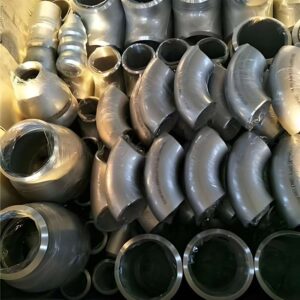
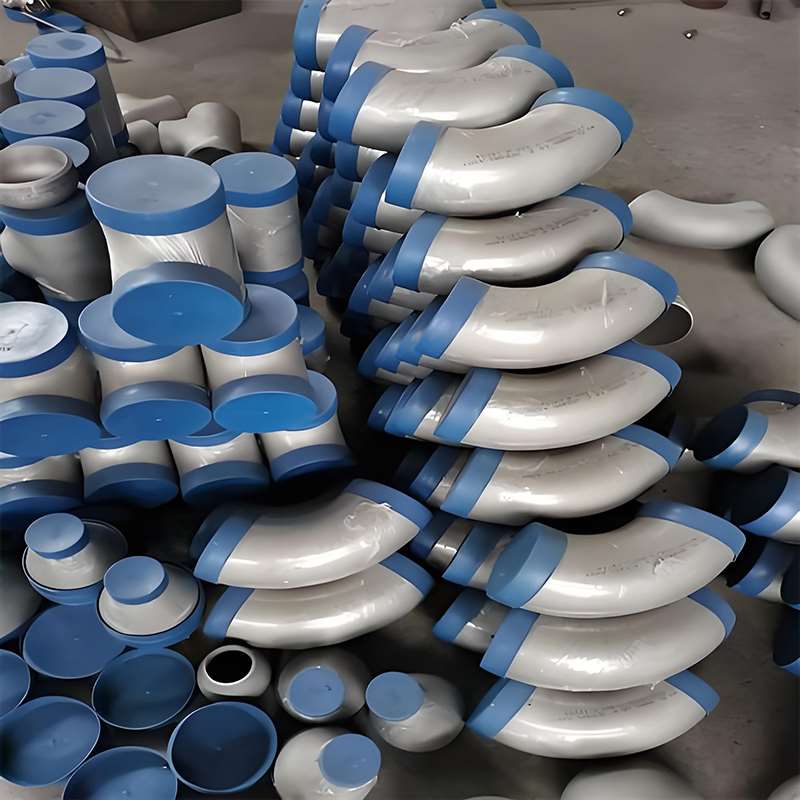
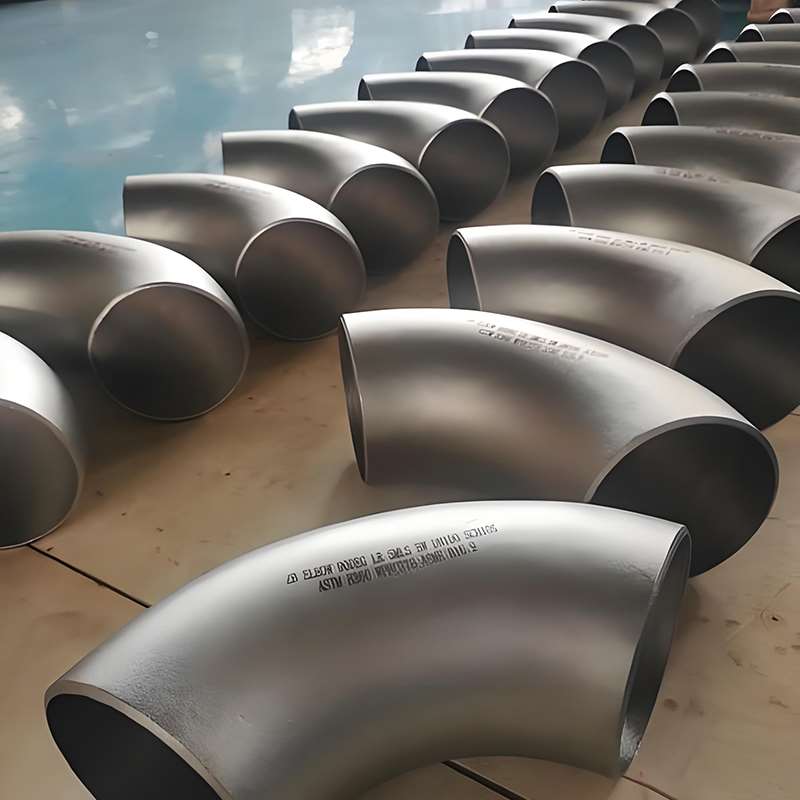
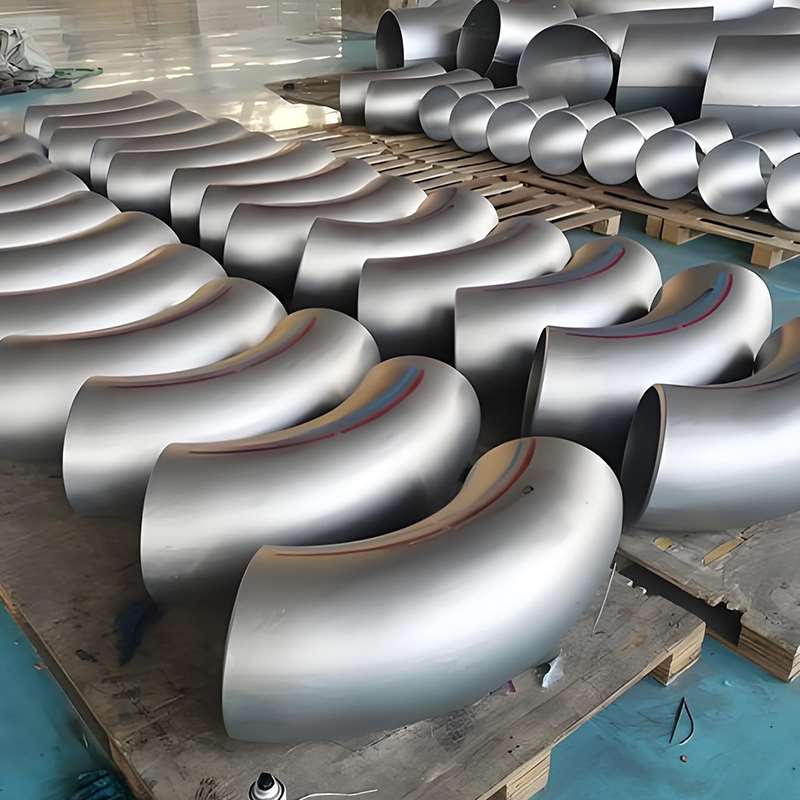
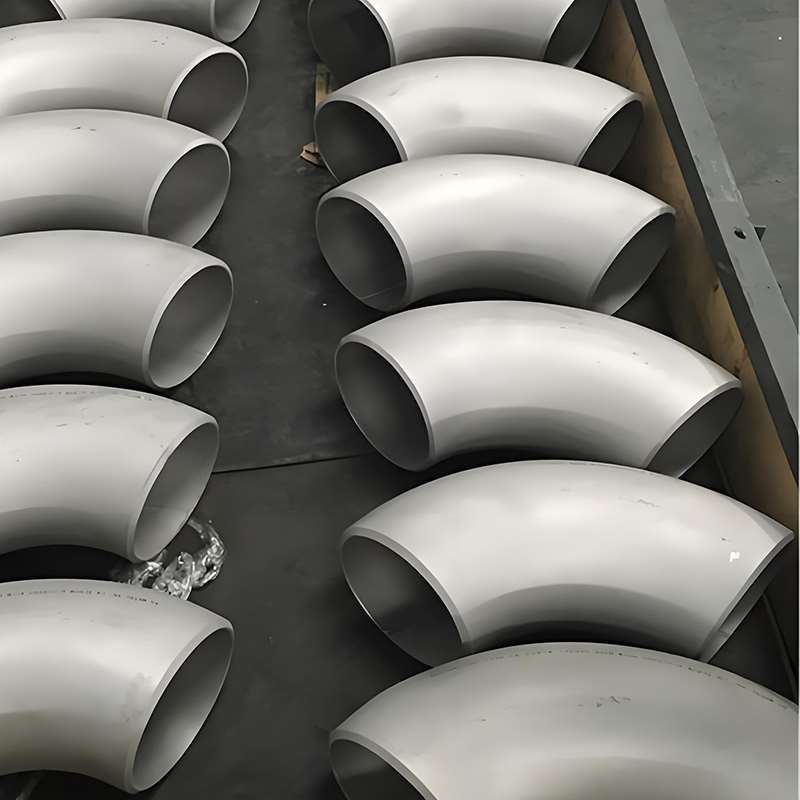
Nickel Alloy Elbows are industrial piping fittings made from nickel-based alloys. They are installed at bends or changes in direction within a piping system to redirect the flow of the medium. Common elbow angles include 45°, 90°, and 180°.
What Problems Do They Solve?
1. Addressing Severe Corrosion in Aggressive Media
The challenge: Strong acids such as nitric acid, hydrofluoric acid, sulfuric acid, and hydrochloric acid, as well as strong alkalis and high-chloride environments, can rapidly attack and penetrate conventional stainless steels.
The solution: Nickel-based alloys, such as Hastelloy C-276 and Monel 400, offer excellent resistance to pitting, crevice corrosion, and stress corrosion cracking. This helps extend the service life of piping systems operating in highly corrosive environments.
2. Preventing Structural Failure Under High-Temperature and High-Pressure Conditions
The challenge: At temperatures of 600°C–1,000°C and above, the strength of conventional steels can decrease significantly, while severe oxidation and creep may occur.
The solution: Nickel-based alloys such as Inconel 600, Inconel 625, and Incoloy 800H provide excellent high-temperature strength and resistance to oxidation and carburization, helping maintain the structural integrity and safe operation of high-temperature, high-pressure piping systems.
3. Reducing Erosion and Wear at Pipe Bends
The challenge: Pipe elbows are areas where fluid impact and changes in flow velocity can be significant. When erosion is combined with corrosion, the elbow wall—particularly on the outer radius—can become thinner and may eventually develop leaks or rupture.
The solution: Nickel-based alloys combine high mechanical strength with excellent corrosion resistance, allowing elbows to withstand high-velocity fluids and severe erosion caused by fluids containing suspended particles.
4. Addressing Salt Spray and Seawater Corrosion in Marine and Deep-Sea Environments
The challenge: The high salt content of seawater and continuous exposure to seawater and marine conditions can be highly aggressive to conventional metallic materials.
The solution: Nickel-copper alloys such as Monel 400, as well as nickel-chromium-molybdenum alloys, offer excellent resistance to seawater, saltwater, and marine atmospheres. They are therefore well suited for elbows used in seawater desalination systems and offshore/deep-sea oil and gas piping systems.
II. Common Nickel Alloy Elbow Materials
| Alloy | Alloy Type | Typical Considerations | Common Applications |
| Nickel 200 | Commercially pure nickel | Corrosive environments, particularly caustic service | Chemical processing |
| Nickel 201 | Low-carbon nickel | Higher-temperature applications compared with Nickel 200 | Chemical processing |
| Alloy 400 | Nickel-copper alloy | Marine and chemical environments | Marine, chemical |
| Alloy 600 | Nickel-chromium alloy | High-temperature and corrosive environments | Heat treatment, chemical |
| Alloy 625 | Nickel-chromium-molybdenum alloy | Severe corrosion and high-temperature service | Chemical, marine, oil & gas |
| Alloy 825 | Nickel-iron-chromium alloy | Various corrosive process environments | Chemical processing |
III. Nickel Alloy Elbow Specifications
The specifications for nickel alloy elbows encompass more than just the pipe diameter; they also include parameters such as the bending angle, wall thickness, and bending radius. These varying parameters directly affect the connection between the elbow and the piping, installation space requirements, fluid resistance, and operational suitability under specific pressure and temperature conditions.
1.Elbow Angle
The bend angle determines the extent to which an elbow changes the direction of the pipe. The most common elbows used in engineering are 45° and 90° elbows, while 180° elbows and other special angles are used depending on the specific pipe layout.
| Elbow Angle | Typical Application | Selection Considerations |
|---|---|---|
| 45° | Provides a relatively small change in pipeline direction | Suitable for systems requiring a gradual change in pipeline routing |
| 90° | Changes the pipeline direction by 90° | The most commonly used elbow type in industrial piping systems |
| 180° | Changes the pipeline direction by 180° | Commonly used in special piping layouts requiring a return or reversal of flow direction |
| Custom Angle | Non-standard angles, such as 30° or 60° | Customized according to the on-site pipeline layout or engineering drawings |
When selecting angles, you should first examine the actual layout of the piping rather than simply choosing based on standard specifications. For example, if the angle between two sections of pipe is not a standard 90°, forcing the use of a 90° elbow may result in installation difficulties or require the addition of other fittings.
For special angles, you should provide the exact angle, dimensions, bend radius, and end connection requirements when requesting a quote to confirm whether the product can be manufactured according to your specifications.
2. Elbow Size
Elbow sizes are typically denoted by NPS or DN. For projects using the imperial piping size system, NPS is generally used; for projects using the metric system, DN is often used.
In addition, it is necessary to confirm the elbow’s outside diameter (OD), as the elbow must ultimately match the connecting pipes.
| Parameter | Meaning | Selection Considerations |
|---|---|---|
| NPS | Nominal Pipe Size, such as 2″, 4″, and 6″ | Confirm the nominal pipe size system used for the project |
| DN | Nominal Diameter, such as DN50, DN100, and DN150 | Confirm the metric sizing system used for the project |
| Outside Diameter (OD) | The actual outside diameter at the elbow ends | Must match the connecting pipes and applicable fitting standards |
For example, it is not sufficient to simply tell a supplier, “We need a 4-inch nickel alloy elbow”; you must also specify the wall thickness grade, bend radius, angle, and manufacturing standards.
For butt-weld elbows, the dimensions of the elbow ends must match those of the connecting pipes. Therefore, when purchasing, it is best to provide both the dimensions and wall thickness grades of the connecting pipes, rather than just the nominal size.
3. Wall Thickness
The wall thickness determines the elbow’s pressure-bearing capacity and how it fits with the pipe. Common pipe wall grades include SCH 10, SCH 40, SCH 80, and SCH 160; specific specifications depend on the pipe diameter and the dimensional standards used.
| Wall Thickness Schedule | General Characteristics | Selection Considerations |
|---|---|---|
| SCH 10 | Relatively thin wall | Suitable for applications requiring a lower wall thickness while still meeting the design requirements |
| SCH 40 | A common medium wall thickness schedule | Should be selected based on the pressure and temperature conditions to ensure it meets the application requirements |
| SCH 80 | Thicker than SCH 40 | Typically used for applications requiring higher pressure resistance or greater mechanical strength |
| SCH 160 | Heavy wall thickness schedule | Used for specific high-pressure applications or special design conditions |
| Custom Wall Thickness | Determined according to actual requirements | Suitable for special engineering designs or non-standard requirements |
It is important to note that “Schedule” is not simply a “pressure rating.” The actual wall thickness corresponding to the same Schedule varies depending on the pipe diameter; therefore, one cannot determine the pressure a elbow can withstand based solely on “Sch 80.”
When selecting a specific model, the required wall thickness should be determined by considering the following factors:
Design pressure + Design temperature + Pipe diameter + Material strength + Corrosion allowance + Applicable design codes
.
4. Radius
The bend radius is a parameter in elbow specifications that is often overlooked but is very important for pipeline design. Common types of elbows include Long Radius (LR) and Short Radius (SR).
| Type | Meaning | Impact on the Piping System |
|---|---|---|
| Long Radius (LR) | Has a larger bend radius, typically 1.5D | Provides a more gradual change in flow direction, which generally helps reduce local flow resistance, but requires more installation space |
| Short Radius (SR) | Has a smaller bend radius, typically 1D | Requires less installation space but creates a sharper change in flow direction, making it suitable for applications where installation space is limited |
In this context, “D” typically refers to a reference dimension related to the nominal diameter of the pipe; the actual dimensions should be determined in accordance with the applicable elbow standard.
When selecting the bend radius, the following factors should be considered simultaneously:
On-site installation space
Pipe routing
Fluid flow and pressure drop requirements
Pipe supports and layout
Design codes
Connection dimensions with other pipe fittings and equipment
IV. Applications of Nickel Alloy Elbows
1. Chemical Industry
Chemical pipelines frequently transport acids, alkalis, chlorides, and other corrosive process media. The type, concentration, and temperature of the media vary, and their corrosive effects on pipeline materials differ accordingly.
When carbon steel or certain types of stainless steel cannot meet the corrosion resistance requirements for specific media, nickel alloy elbows can be evaluated based on actual operating conditions. Common applications include chemical processing, the transport of corrosive process fluids, and piping connections for related equipment.
2. Oil and Gas Industry
Pipelines in oil and gas and refining systems may be subjected simultaneously to high pressure, high temperatures, and corrosive media. Some process fluids may also contain corrosive components such as sulfides and chlorides.
Therefore, elbow materials must meet both mechanical strength and corrosion resistance requirements. Under specific severe operating conditions, nickel-based alloys may be considered based on an evaluation of the medium and design conditions.
3. Marine and Seawater Systems
Seawater contains high concentrations of chlorides, and prolonged exposure may increase the risk of localized corrosion—such as pitting and crevice corrosion—in certain materials.
Therefore, when selecting materials for elbows used in seawater conveyance, marine engineering, and coastal industrial systems, special attention must be given to the material’s compatibility with the seawater environment. Certain nickel-copper alloys and nickel-chromium-molybdenum alloys can be used in specific marine applications, but the specific grade must be determined based on water quality, temperature, and flow velocity.
4. High-Temperature Process Systems
In high-temperature environments, both the mechanical properties of materials and their corrosion behavior in contact with the medium may change.
Therefore, for high-temperature piping systems used in heat treatment, chemical processing, and similar applications, materials should not be selected based solely on their properties at room temperature; instead, their suitability should be evaluated by considering the design temperature, design pressure, and medium conditions.
V. Frequently Asked Questions (FAQ) About Nickel Alloy Elbows
1. In what operating conditions are nickel alloy elbows primarily used?
Nickel alloy elbows are primarily used in applications involving corrosive media, high-temperature media, and conditions where both high temperatures and corrosion are present. Common applications include chemical processing, oil and gas, seawater, and offshore engineering.
The choice of nickel alloy is not because a particular industry “must use” it, but because the media, temperature, pressure, and type of corrosion in specific operating conditions place higher demands on standard materials.
2. What are the common material grades for nickel alloy elbows?
Common materials include Nickel 200, Nickel 201, Alloy 400, Alloy 600, Alloy 625, and Alloy 825, among others.
Different alloys have varying chemical compositions and are suited for different environments. For example, Nickel 200/201 is primarily used in specific chemical and caustic environments, Alloy 400 is commonly used in marine and chemical processing environments, while Alloy 625 is often used in more severe corrosion and high-temperature conditions.
Therefore, materials should not be selected based solely on the term “nickel alloy”; rather, the specific grade should be determined based on the medium, temperature, pressure, and corrosion conditions.
3. What standards are commonly used for nickel alloy elbows?
For factory-manufactured nickel and nickel alloy butt-weld fittings, ASTM B366/B366M is an important material and product standard covering forged nickel alloy fittings such as 45° and 90° elbows, as well as 180° bends.
For elbow dimensions, geometry, end dimensions, and tolerances, the commonly referenced standard is ASME B16.9. Therefore, actual procurement specifications may include requirements such as “ASTM B366 + ASME B16.9” rather than requiring compliance with only one of the two standards.
4. How do you select the size and wall thickness of a nickel alloy elbow?
First, determine the NPS or DN, outer diameter, wall thickness grade, bend angle, and bend radius of the connecting pipes.
Common angles include 45° and 90°, while common bend radii are Long Radius (LR) and Short Radius (SR). Wall thickness can be determined based on the corresponding Schedule, such as Sch 10, Sch 40, Sch 80, and Sch 160.
However, the Schedule is not directly equivalent to the pressure rating. The final wall thickness should be determined based on the design pressure, design temperature, material properties, corrosion allowance, and applicable design codes.
5. What information is required when purchasing nickel alloy elbows?
To enable suppliers to provide accurate quotes and confirm specifications, we recommend providing at least the following:
Material grade + nominal size (NPS/DN) + bend angle + bend radius + wall thickness/Schedule + manufacturing standard + quantity.
If the elbows are to be used in chemical, oil and gas, or other harsh operating conditions, we also recommend providing the conveyed medium, design temperature, design pressure, special inspection requirements, and requirements for material certification documents.