In modern industrial sectors such as chemical processing, oil and gas, nuclear energy, and aerospace, piping systems are often faced with the dual challenges of extreme high temperatures (600°C or even over 1000°C) and highly corrosive media (strong acids, strong alkalis, high chloride ion concentrations, or hydrogen sulfide). Under these harsh operating conditions, ordinary carbon steel and austenitic stainless steel are prone to failure due to creep rupture, oxidation spalling, or stress corrosion cracking.
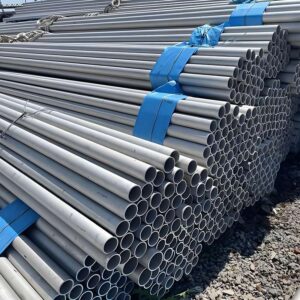
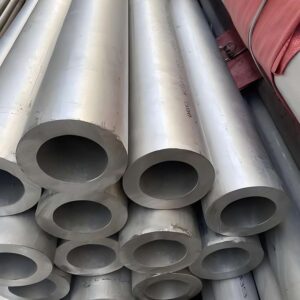
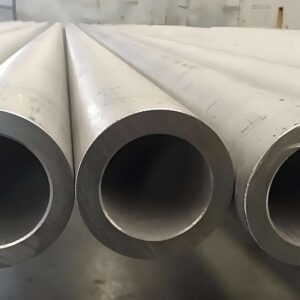
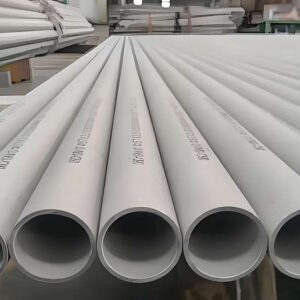
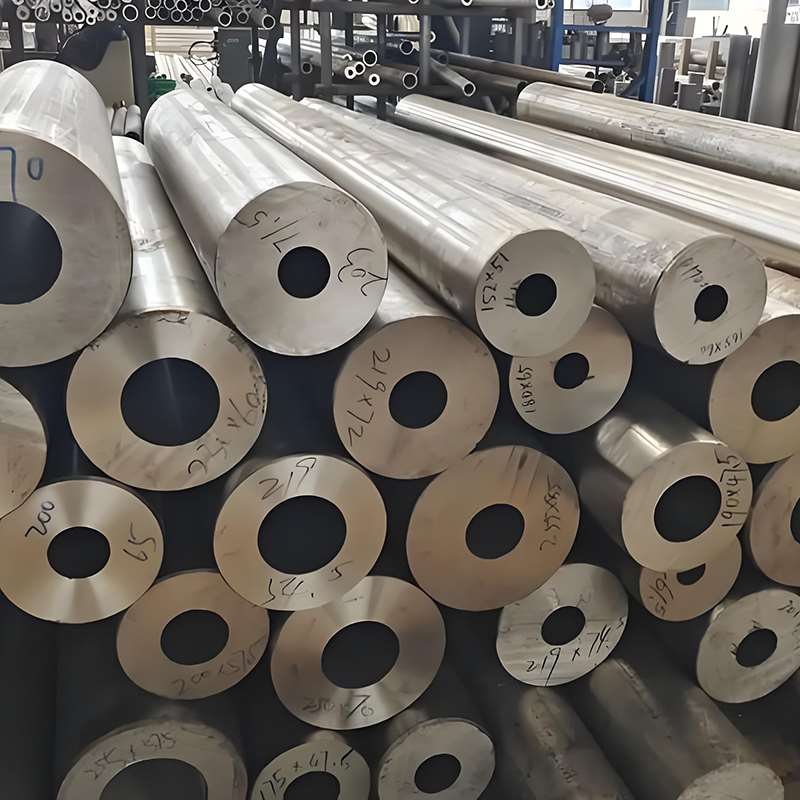
Seamless nickel-based alloy pipes, with their unique alloy composition and homogeneous, weld-free structure, have become the key material for addressing these extreme operating conditions.
I. Performance in High-Temperature Environments
In high-temperature environments, metallic materials face two major threats: a decline in mechanical strength and high-temperature oxidation/sulfidation corrosion. Nickel-based alloy seamless tubes exhibit excellent performance at high temperatures:
Excellent High-Temperature Creep Resistance and Long-Term Strength
- Crystal Structure Advantages: Nickel has a face-centered cubic crystal structure, which provides high structural stability at high temperatures.
- Strengthening Mechanisms: Through the addition of elements such as aluminum, titanium, niobium, and molybdenum, solid solution-strengthened or precipitation-hardened phases (such as the γ′ and γ″ phases) form within the alloy. This enables grades such as Inconel 625 and Inconel 718 to maintain high mechanical strength and resist slow metal deformation even under sustained high pressure at temperatures ranging from 600°C to 1000°C.
II. Self-Healing Dense Oxide Coating (Oxidation and Carbon Penetration Resistance)
- When exposed to high-temperature air or oxidizing gases, the chromium (Cr) and aluminum (Al) in the alloy rapidly form a continuous, dense, and strongly adherent passivation oxide layer (such as Cr₂O₃ or Al₂O₃) on the pipe surface.
- This oxide layer acts as a barrier against further internal corrosion by high-temperature gases, effectively resisting high-temperature oxidation, carburization, and nitriding reactions.
III. Performance in Corrosive Environments
1. Comprehensive Acid and Alkali Resistance
- Reducing acids: Alloys containing high levels of molybdenum (Mo) and copper (Cu) (such as Hastelloy C-276 or Monel 400) exhibit strong resistance to hydrochloric acid, hydrofluoric acid, and dilute sulfuric acid.
- Oxidizing Acids: Alloys with high chromium content (such as Incoloy 825 and Inconel 600) exhibit excellent resistance to oxidizing environments such as nitric acid and hot phosphoric acid.
- Strong Alkaline Environments: Pure nickel (Nickel 200/201) experiences virtually no corrosion in high-temperature, high-concentration sodium hydroxide (caustic soda) environments.
2. Immunity to Chloride Stress Corrosion Cracking
- Ordinary stainless steels (such as 304/316) are prone to sudden stress corrosion cracking in environments containing chloride ions (such as seawater or salt spray) where tensile stress is present.
- When the nickel content in the matrix exceeds 30%–45%, the material’s susceptibility to chloride-induced SCC is significantly reduced; nickel-based alloys with even higher nickel content are nearly completely immune to chloride-induced stress corrosion cracking.
3. Resistance to Pitting and Crevice Corrosion
- Nickel-based alloys generally possess a very high pitting resistance equivalent number (PREN). Grades such as Hastelloy C-22 and Hastelloy C-276 can effectively prevent micro-pitting and crevice corrosion in media containing high concentrations of chlorides, sulfides, and acids.
IV. Additional Advantages of Seamless Construction
In addition to the material’s inherent chemical properties, the seamless manufacturing process provides pipes with greater reliability:
- Elimination of Welding Weak Points: Welded pipes are prone to compositional segregation, grain coarsening in the heat-affected zone (HAZ), and residual stresses at the weld seam—areas that are often the initial sites of high-temperature cracking and localized corrosion.
- Uniform Pressure-Bearing Capacity: Seamless pipes feature a uniform cross-sectional microstructure and consistent wall thickness, enabling them to withstand higher internal system pressures and thermal cycling stresses.
Common Grades and Their Applicable Environments
| Alloy Series / Representative Grade | Key Performance Advantages | Typical Applications |
|---|---|---|
| Inconel 625 (UNS N06625) | Combines high strength with excellent resistance to oxidation and pitting corrosion. | Aircraft engine exhaust systems, high-pressure seawater piping, and waste incinerators. |
| Incoloy 800H/800HT (UNS N08811) | Excellent resistance to high-temperature carburization and high tensile strength at elevated temperatures. | Petrochemical cracking furnace tubes and heat exchangers for ammonia synthesis. |
| Hastelloy C-276 (UNS N10276) | Exceptional resistance to highly corrosive acids, wet chlorine gas, chlorides, and mixed acids. | Flue gas desulfurization (FGD) systems, PTA chemical processing units, and sour oil and gas wells. |
| Monel 400 (UNS N04400) | Excellent resistance to seawater erosion-corrosion and hydrofluoric acid corrosion. | Marine engineering, oil refineries, and hydrofluoric acid alkylation reactors. |